A member of staff closing up alone, doing a stock check after hours, or working a quiet evening shift is more exposed than most retail employers like to admit. Lone working is common across shops, forecourts and small units, but it’s rarely given the same attention as security on the shop floor during busy hours.
Where the risk actually sits
The danger isn’t usually the busy Saturday afternoon — it’s the last half hour before close, the early opening shift, or the evening stock delivery when a lone employee has no one nearby to call on. Robbery, aggressive customers and simple accidents all carry more weight when there’s nobody else on site to help.
What good practice looks like
Sensible lone worker policies start with the basics: a clear check-in routine, a way to raise an alarm that doesn’t rely on reaching a phone across the shop, and staff who know exactly what to do if a situation turns confrontational. None of this needs to be complicated, but it does need to actually happen every shift, not just exist on paper.
Where trained security adds value
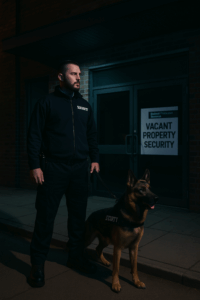
For higher-risk sites — cash-handling premises, late-opening convenience stores, retail parks with a history of trouble — a visible security presence or regular patrol changes the picture for a lone worker considerably. Knowing someone will notice if things go wrong is often what keeps a bad situation from getting worse.
It’s a duty, not an extra
Employers have a responsibility to assess the risks lone workers face and take reasonable steps to manage them. That’s not box-ticking — it’s the difference between a member of staff who feels genuinely looked after and one who’s quietly dreading the closing shift.
Not sure your lone worker arrangements would hold up? Contact us and we’ll talk through what’s realistic for your site.