Counter terrorism awareness has moved from a nice-to-have to a legal expectation for many venues. With the Terrorism (Protection of Premises) Act — widely known as Martyn’s Law — now on the statute book, event organisers and venue operators across East Anglia need to understand what is being asked of them.
What the law changes
Martyn’s Law places a duty on qualifying premises and events to consider the risk of a terrorist attack and take proportionate steps to keep people safer. Smaller venues face lighter, common-sense requirements; larger ones must do more, including proper planning and staff preparedness. There is a lead-in period before enforcement, but the sensible time to prepare is now, not the week before the deadline.
Awareness is mostly about people
Effective counter terrorism awareness rarely hinges on expensive equipment. It comes down to trained staff who know what to look for, understand how to react, and can move people calmly if the worst happens. Recognising suspicious behaviour, controlling access, and having a clear plan are worth more than any gadget. A confident team that has rehearsed the basics will always outperform kit nobody knows how to use.
Where trained security helps
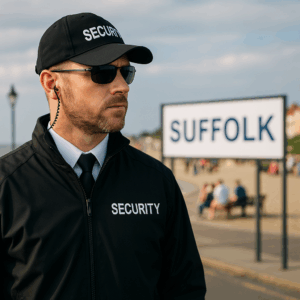
Security personnel with counter-terrorism training bring a practised eye to a venue. They spot the details others miss, reinforce access control, and give staff a clear point of leadership during an incident. For larger events, that presence is fast becoming part of doing things properly rather than an optional extra.
Proportionate, not paranoid
The goal isn’t to turn a venue into a fortress. It is to make a measured assessment, close the obvious gaps, and prepare the team — so the risk is managed without spoiling the event.
Unsure how the new rules affect your venue? Contact us and we’ll help you take a sensible, proportionate approach.