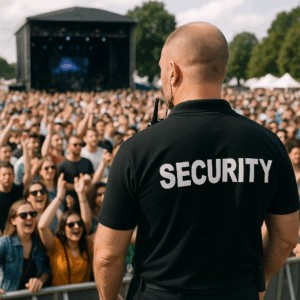
Every event looks fine on paper. The problems start when a few hundred people arrive at once, the queue spills onto the pavement, and someone decides the smoking area is the ideal spot for an argument.
Good event security isn’t about standing at a door looking serious. It’s about reading a crowd before it turns into a problem, and having a plan for the moment it does.
The work starts before the doors open
A risk assessment is where every job begins. EPS looks at the venue layout, expected numbers, the type of crowd, and the details most organisers overlook: fire exits, pinch points, where the queue forms, and how everyone leaves when it’s over. A festival field in rural Suffolk and a packed town-centre venue need very different plans. Treating them the same is how things go wrong.
Right people, right numbers
Headcount matters, but the mix matters more. SIA-licensed door supervisors, static guards, and where the threat justifies it, counter-terrorism trained personnel. EPS staff are vetted and experienced — not weekend hires brought in to pad out a rota.
Local knowledge counts
Working across East Anglia has its advantages. Response times, local licensing expectations, and established relationships with venues and police are the details that separate a smooth night from a licensing headache the following week.
Quiet is the goal
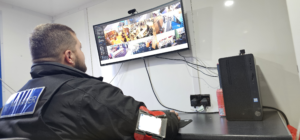
A clear radio plan, defined command structure, and a single point of contact mean issues get dealt with discreetly rather than escalating into a scene. Most of the best security work goes completely unnoticed. That’s exactly the point — a well-run event feels relaxed because someone made sure it was.
Cutting corners on numbers or qualifications to save a few pounds usually costs far more when something happens. The right team is an investment in the event running as planned.
Planning an event in the region? Contact us to talk through what your event actually needs, rather than a one-size template.